Top 5 Essential Oils Used in Commercial Soap Making and Cosmetics
-
admin
- Posted on
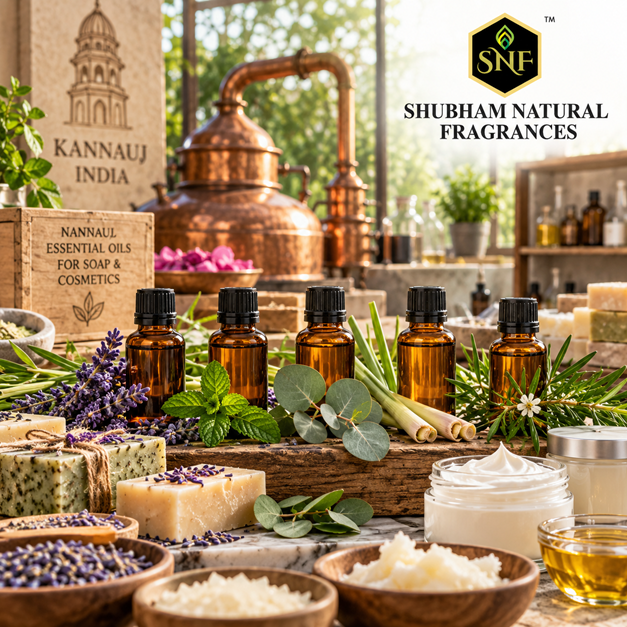
Introduction
Essential oils are widely used in the personal-care and cosmetic industry because they can add natural aroma and distinctive botanical character to finished products. From handmade soaps to commercial skincare formulations, manufacturers use different essential oils according to the product type, fragrance profile, and formulation requirements.
For businesses sourcing ingredients in bulk, choosing the right essential oils for soap making and cosmetics is important. The oil should not only provide a desirable aroma but also be suitable for the intended application and formulation.
In this guide, we explore five commonly used essential oils for commercial soap and cosmetic products.
1. Lavender Essential Oil
Lavender essential oil is one of the most popular oils used in personal-care products.
Its soft, floral and herbaceous aroma makes it suitable for products designed around relaxing and fresh fragrance profiles.
Common Applications
Lavender oil is commonly incorporated into:
- Bath soaps
- Body washes
- Shampoos
- Body lotions
- Massage oils
- Bath products
- Personal-care formulations
For manufacturers, lavender can also work well as a standalone fragrance or as part of a custom essential-oil blend.
2. Peppermint Essential Oil
Peppermint essential oil is recognized for its fresh, minty and cooling aroma.
It is particularly useful when manufacturers want to create a refreshing sensory experience in personal-care products.
Common Applications
Peppermint oil can be used in:
- Herbal soaps
- Shampoos
- Scalp-care products
- Body washes
- Foot-care products
- Bath products
- Aromatic cosmetic formulations
Because peppermint has a strong aroma, formulators generally need to consider its concentration carefully when developing finished products.
3. Eucalyptus Essential Oil
Eucalyptus essential oil has a sharp, clean and refreshing aromatic profile. It is commonly associated with fresh and herbal formulations.
Its distinctive scent makes it useful for products where a strong botanical character is desired.
Commercial Applications
Eucalyptus oil can be found in:
- Herbal soaps
- Shower products
- Bath formulations
- Massage products
- Personal-care products
- Aromatic blends
It can also be combined with oils such as peppermint, lavender or other herbal oils to create more complex fragrance profiles.
4. Lemongrass Essential Oil
Lemongrass essential oil provides a bright, fresh and citrus-like aroma. It is popular among manufacturers looking for a clean and energetic fragrance.
The distinctive scent works particularly well in soap and personal-care products.
Common Applications
Lemongrass oil is used in:
- Handmade and commercial soaps
- Body washes
- Shampoos
- Bath products
- Massage formulations
- Cosmetic fragrance blends
Its strong aromatic profile also means that a small quantity can contribute significantly to the overall fragrance character of a formulation.
5. Tea Tree Essential Oil
Tea tree essential oil has a distinctive fresh, herbal and slightly medicinal aroma. It is commonly associated with botanical and natural personal-care products.
Manufacturers use it in products where a clean herbal fragrance is preferred.
Common Applications
Tea tree oil may be incorporated into:
- Soaps
- Facial-care products
- Body-care products
- Shampoos
- Scalp-care formulations
- Botanical cosmetic products
As with other essential oils, the appropriate concentration depends on the specific formulation and intended use.
How to Choose Essential Oils for Commercial Products
Selecting an essential oil involves more than simply choosing a pleasant fragrance.
Manufacturers should consider:
1. Aroma Profile
Think about the final fragrance you want. Floral oils create a different experience from citrus, minty or woody oils.
2. Product Type
An oil suitable for one formulation may not automatically be appropriate for another. Consider whether the product is a soap, shampoo, lotion, body wash or another cosmetic formulation.
3. Quality and Consistency
For commercial manufacturing, consistency between batches is extremely important. Variations in raw materials can affect the aroma and final product.
4. Documentation
B2B buyers should request relevant product specifications and documentation from their supplier. Depending on the product and market, this may include a Certificate of Analysis, Safety Data Sheet and other technical information.
5. Bulk Supply
If you are manufacturing products commercially, choose a supplier that can support your required quantity and future repeat orders.
Essential Oils from an Indian Manufacturer
India has a long history of botanical extraction, natural fragrance production and aromatic-product manufacturing.
Kannauj, Uttar Pradesh, is particularly well known for its traditional fragrance industry. A manufacturer based in this region can provide access to essential oils alongside traditional attars, floral waters and other aromatic products.
Shubham Natural Fragrances, established in Kannauj in 1999, supplies natural aromatic products for businesses seeking essential oils, attars and other fragrance materials. Bulk and wholesale sourcing can be particularly useful for soap manufacturers, cosmetic brands, personal-care companies and fragrance businesses.
Essential Oils vs. Synthetic Fragrance
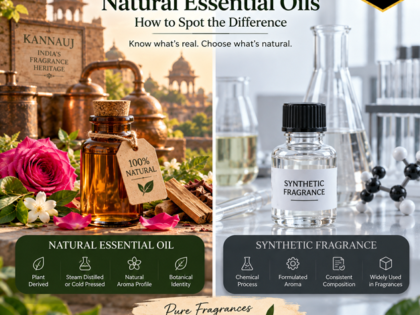
Commercial manufacturers should also understand the difference between essential oils and synthetic fragrance materials.
Essential oils are aromatic extracts obtained from botanical sources, while fragrance oils can contain a combination of aromatic materials, including synthetic ingredients.
The choice depends on the product concept, formulation requirements, desired fragrance profile, cost considerations and applicable regulations.
Conclusion
Lavender, peppermint, eucalyptus, lemongrass and tea tree are among the commonly used essential oils for soap making and cosmetic applications. Each provides a different aromatic character and can be incorporated into different types of personal-care formulations.
For commercial manufacturers, the most important factors are not just fragrance but also product specifications, consistency, documentation, supply capacity and suitability for the intended formulation.
Businesses looking for bulk essential oils from India can explore natural aromatic products and sourcing options from Shubham Natural Fragrances in Kannauj.
Visit https://pureessentialoil.in for product information and bulk enquiries.
FAQs
1. Which essential oil is best for commercial soap making?
There is no single best essential oil for every soap. Lavender, peppermint, eucalyptus, lemongrass and tea tree are popular choices, depending on the desired fragrance and formulation.
2. Can essential oils be used in cosmetics?
Yes, essential oils are used in various cosmetic and personal-care formulations. However, manufacturers should follow appropriate formulation, safety and regulatory requirements for their specific product and market.
3. Can I buy essential oils in bulk from India?
Yes. Indian manufacturers and exporters supply essential oils in bulk for industries including cosmetics, soap making, personal care, aromatherapy and fragrance manufacturing.
4. What should I check before buying essential oils in bulk?
Check the product specifications, batch consistency, quality documentation, packaging, minimum order quantity, supplier experience and suitability for your intended application.